Tagged: diversity in children’s books
Books About Disabilities for People Who Care About Kids & Inclusion


Inclusion isn’t better just because it’s kinder. We should bring disabled perspectives to the center because these perspectives create a world that is more imaginative, more flexible, more sustainable, more dynamic and vibrant for everyone who lives in a body.”
— Rebekah Taussig, author of Sitting Pretty: The View from My Ordinary Resilient Disabled Body
Currently, at least 26% of Americans have a reported disability, while only 3.4% of children’s books have main characters with disabilities (Kingsbury, 2021). To find high-quality, inclusive children’s literature, we’ve got to be intentional. The good news: there are a number of excellent books out there you can share with the young child in your life! I’ve pulled together 20 of them. All are available at Richmond’s own Morrisson-Reeves Public Library. While you know your child’s reading and interest level the best, I’ve added a recommended age range for each book to help guide you and your child to some gems. Book summaries are taken from the library catalog unless otherwise noted. And, hey, if you’ve got some of your own recommendations, please add them to the comment section. I’d love to hear them!
As advocate and writer Margaret Kingsbury notes,
Like all children, disabled kids need to see themselves in books—particularly in stories that move beyond inspiration and trauma narratives…. Equally important is for nondisabled children to read stories of disability outside of ableist stereotypes—to see the beauty in all types of bodies and minds.”
— Margaret Kingsbury from her 2022 article, “Picturing Disability, Centering Joy” in School Library Journal 68 (10).
So let’s do what we can to create a world that is, as Taussig puts it, “more imaginative, more flexible, more sustainable, more dynamic and vibrant for everyone who lives in a body.” I know that’s what I want for the kids in my life!
Happy Reading!
FICTION
 Adusei, D. R. (2024). Cesaria feels the beat (First edition). Roaring Brook Press.
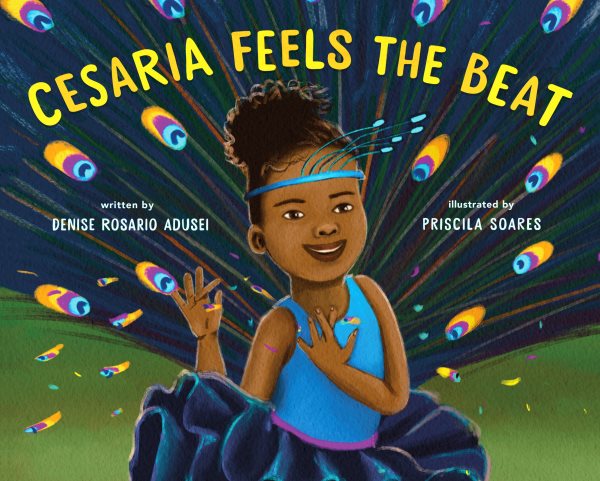
Summary: “A deaf girl stands up for herself and takes off her shoes while dancing at her Carnival performance so she can feel the music through her bare feet.”– Provided by publisher
Preschool, PK, K, Beginning Readers: grades 1-3
 Asbell, S. (2024). Flap your hands : a celebration of stimming (First edition). Lee & Low Books Inc.
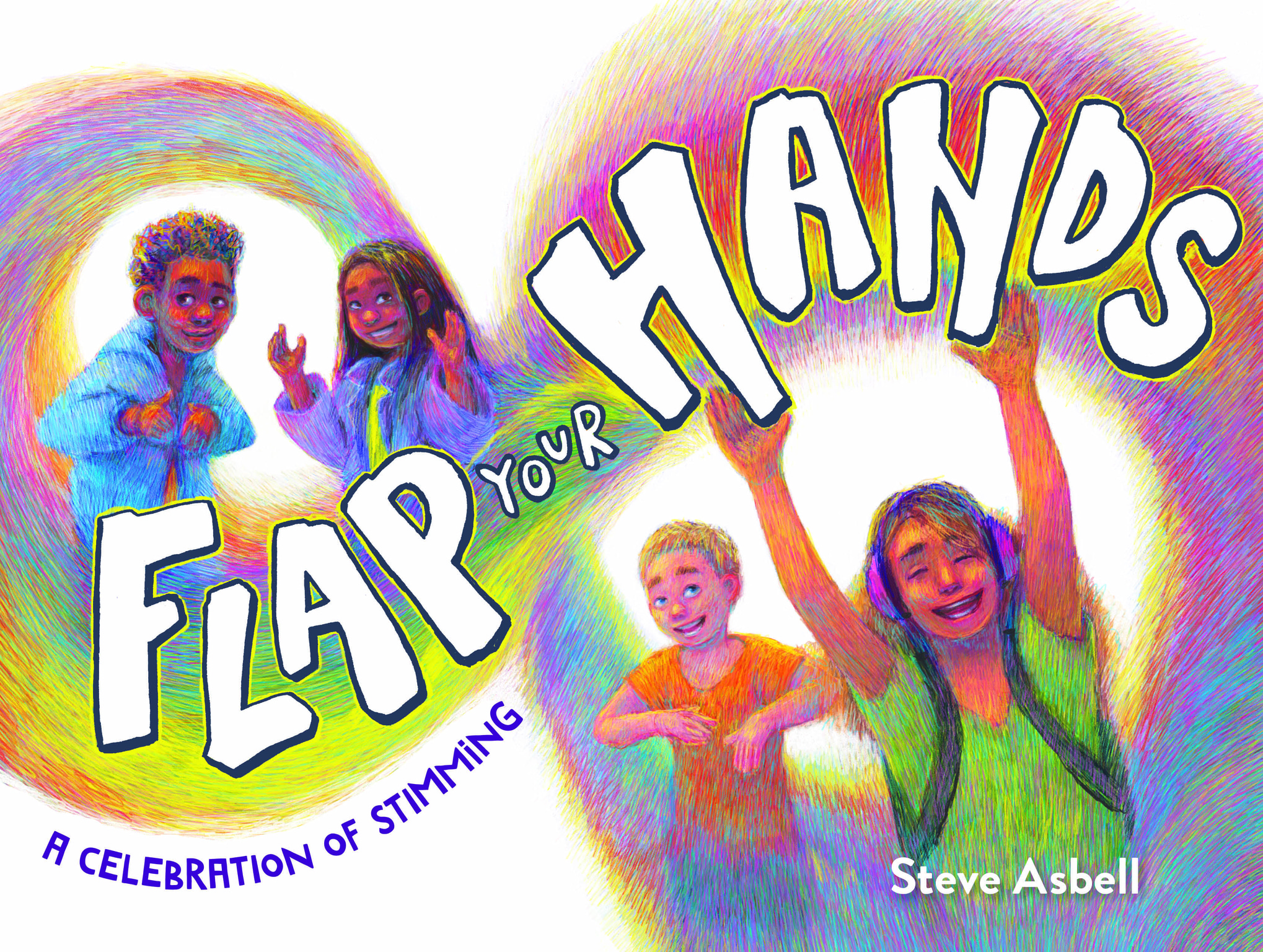
Summary: Four neurodivergent kids, who face stressful moments throughout their day, use body movements, called stims, to self-regulate their emotions.
Preschool, PK, K, Beginning Readers: grades 1-3

Bailey, J. (2023). Henry, like always. Chronicle Books LLC.
Summary: Henry, a first grader on the autism spectrum, attempts to navigate friendships, and sudden changes in classroom routines–like a parade on Friday instead of share time.
Beginning Readers: grades 1-3
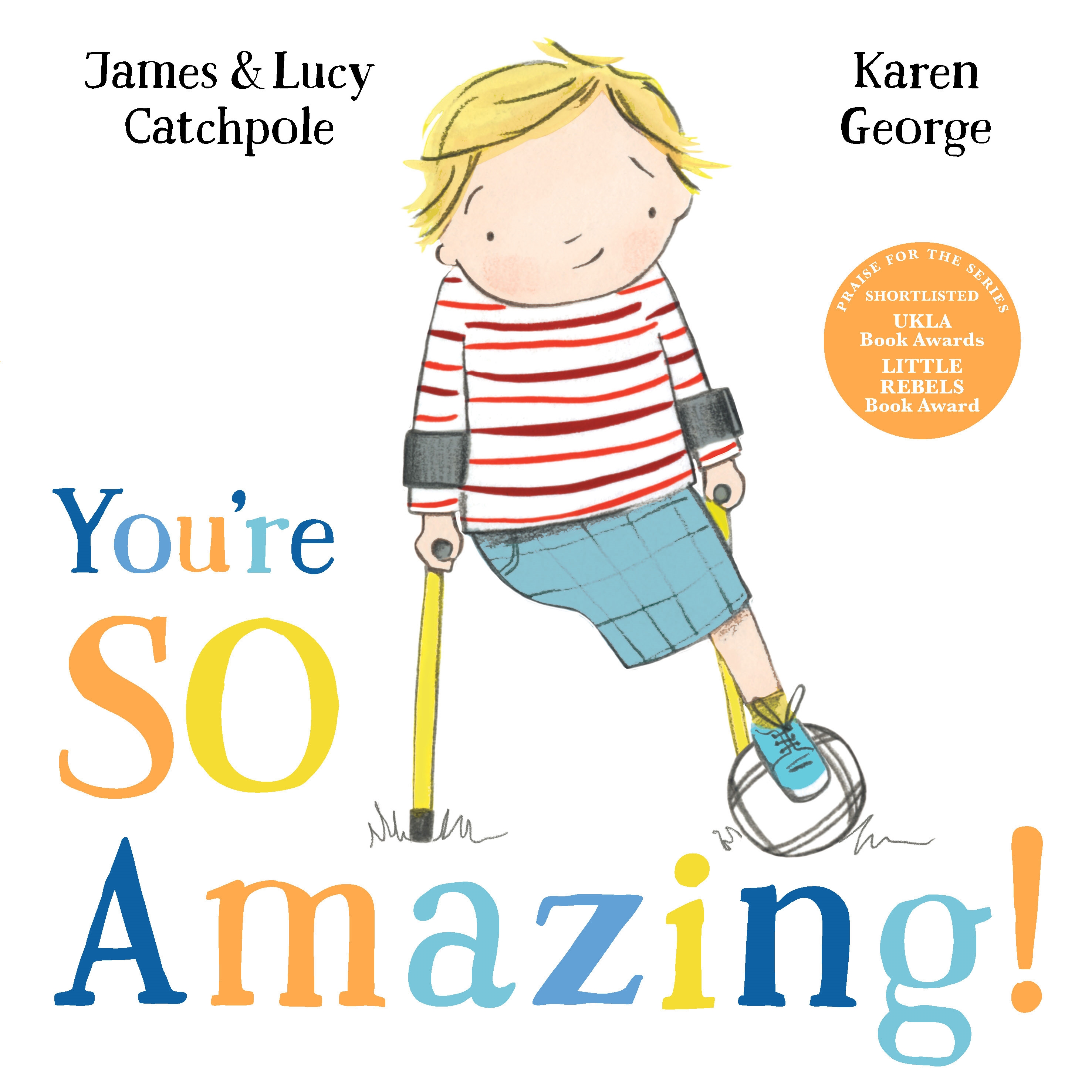
Catchpole, J., & Catchpole, L. (2023). You’re so amazing! (First U.S. edition). Little, Brown and Company.
Summary: When people meet Joe, they often treat him as Amazing Joe or Poor Joe. But can’t he just be . . . Joe? One-legged Joe is ‘amazing’. He knows this because wherever he goes people always tell him he’s amazing. Amazing for sliding down the slide, for kicking a ball . . . even walking to get an ice cream, or even just eating an ice cream. Of course, being Amazing Joe is better than being Poor Joe . . . A groundbreaking picture book which explores how we respond to disability.
Beginning Readers: grades 1-3
 Flood, B. (2020). I will dance (First edition). Atheneum Books for Young Readers.
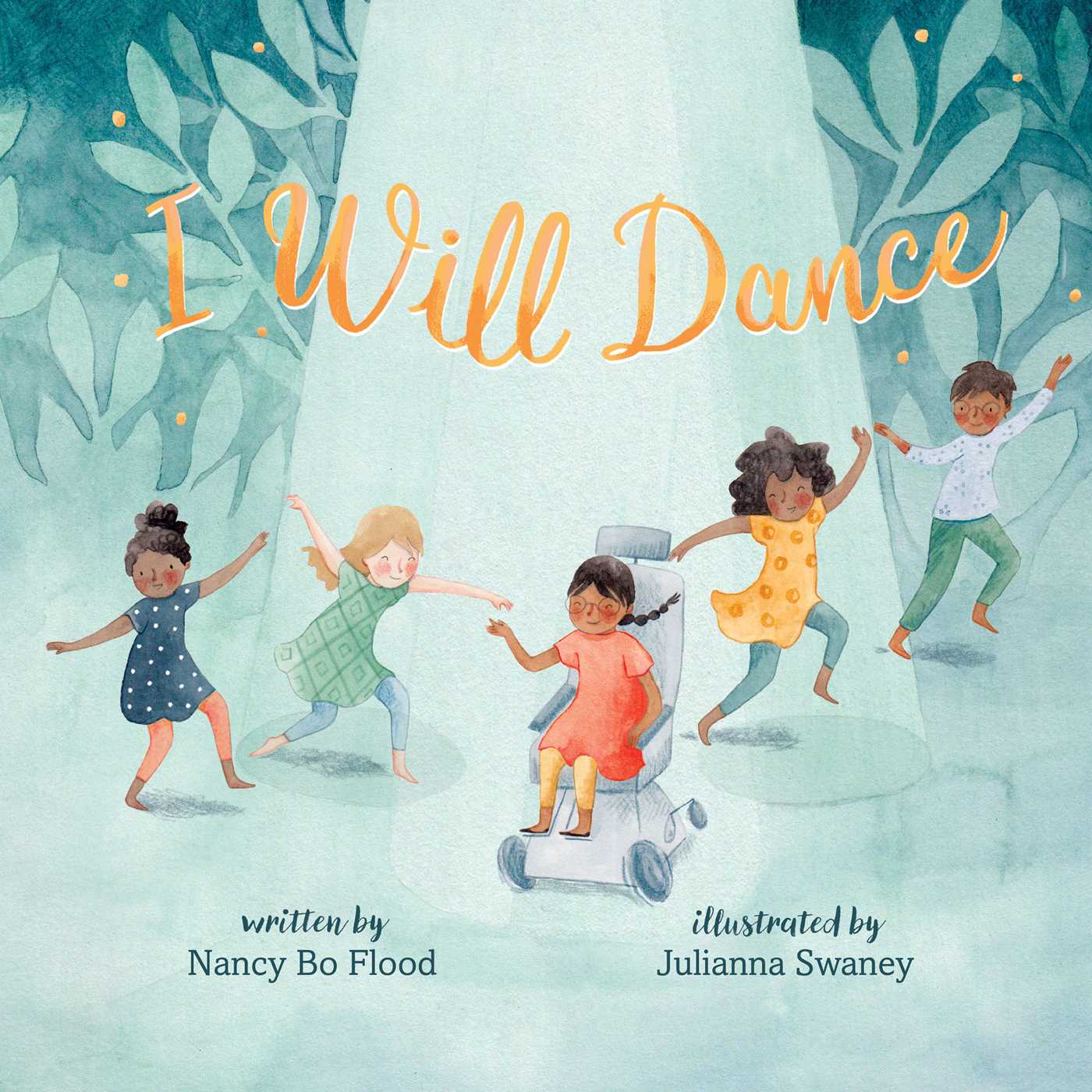
Summary: Eva’s cerebral palsy makes it difficult for her to do many things, but she longs to dance and, finally, her dream is realized. Includes author’s note and information about Young Dance Company, an inclusive dance school and company in St. Paul, Minnesota.
Preschool, PK, K, Beginning Readers: grades 1-3
 Hammond, T. (2023). A day with no words (Fourth edition). Wheat Penny Press.
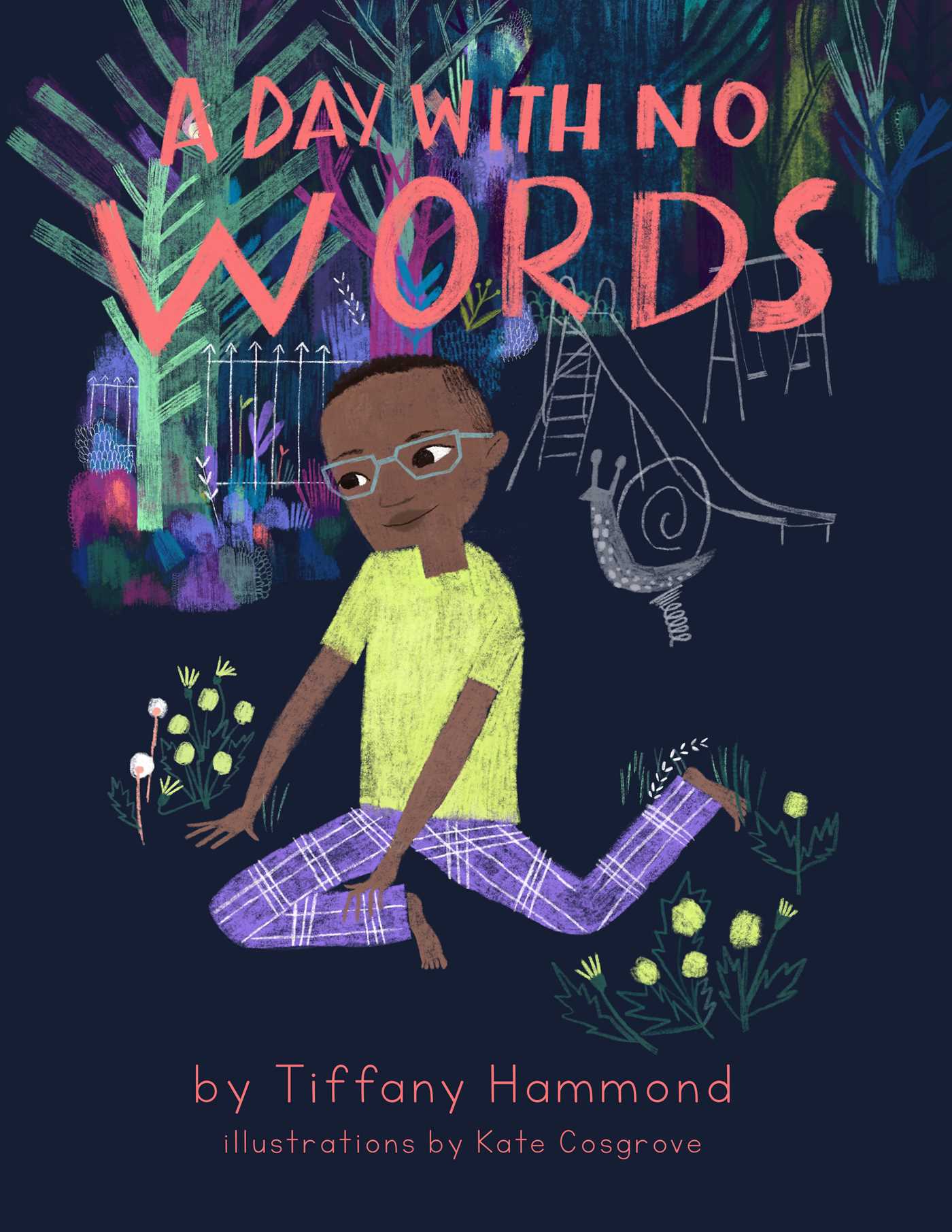
Summary: Young children will learn what life can look like for an autistic child who uses nonverbal communication by following a mother and child on a day where they use a tablet to communicate with others.
Beginning Readers: grades 1-3
 Kurpiel, S. (2024). A little like magic. Rocky Pond Books, an imprint of Penguin Random House LLC.

Summary: “Our young narrator doesn’t like itchy hats or cold wind, and she especially doesn’t like going places she’s never been before. But she reluctantly agrees to join her mom at an ice festival, where they watch sculptors chisel and drill until it’s too cold to watch anymore. The next night, they return to see what the artists have created: sparkling, glorious sculptures that feel a little like magic. The ice art will stay with her long after it has melted away. This tender read-aloud is a story of pushing past your comfort zone and finding inspiration in art and natural beauty.” — Provided by publisher.
Preschool, PK, K, Beginning Readers: grades 1-3
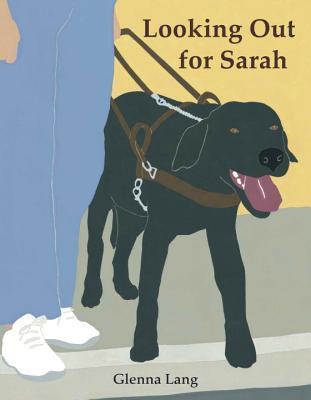
Lang, G. (2003). Looking out for Sarah (1st pbk. ed). Talewinds.
Summary: Describes a day in the life of a seeing eye dog, from going with his owner to the grocery store and post office, to visiting a class of school children, and playing ball. Also describes their three-hundred mile walk from Boston to New York.
Preschool, PK, K, Beginning Readers: grades 1-3
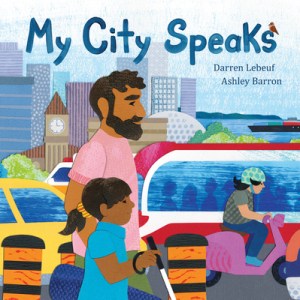 Lebeuf, D. (2021). My city speaks (J. Stokes, Ed.). Kids Can Press.
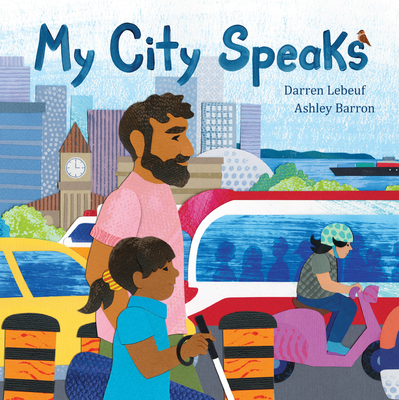
Summary: Author Darren Lebeuf, an award-winning photographer, uses spare text and a rhythmic style to create an evocative read-aloud. The vivid adjectives, both concrete and abstract, will inspire children to try to capture in words what they notice not only in their own town or city, but in any setting. The bright, richly colored cut-paper collage illustrations by Ashley Barron add a captivating visual texture and depth to the story. The portrayal of a girl with a visual impairment walking through the city on her way to her violin recital offers a character education lesson in adaptability”–Provided by publisher
Preschool, PK, K,Beginning Readers: grades 1-3

Lebeuf, D. (2020). My ocean is blue. Kids Can Press.
Summary: “A girl with a disability explores every facet of the ocean during a day at the beach. A girl spends an entire day exploring the seaside with her mom. A keen observer, she sees the ocean as both “big” and “small” and both “sparkly” and “dull. It’s also “dotted and spiraled and wavy and straight.” Her ocean is full of sounds — it “splashes and crashes” and “laughs and hums.” But, at times, it’s silent. She is inspired to examine and celebrate every part of her ocean and doesn’t let anything hold her back. A delightful nature companion sure to awaken the explorer in every child.”– Provided by publisher
Preschool, PK, K, Beginning Readers: grades 1-3

Polacco, P. (2010). Junkyard wonders. Philomel Books.
Summary: Inspired by a teacher who believes each of them is a genius, a class of special-needs students invents something that could convince the whole school they are justifiably proud to be “Junkyard Wonders.”
Beginning Readers: grades 1-3
 Rahman, B., Canada Council for the Arts, & Ontario Arts Council. (2021). A sky-blue bench (First edition). Pajama Press Inc.
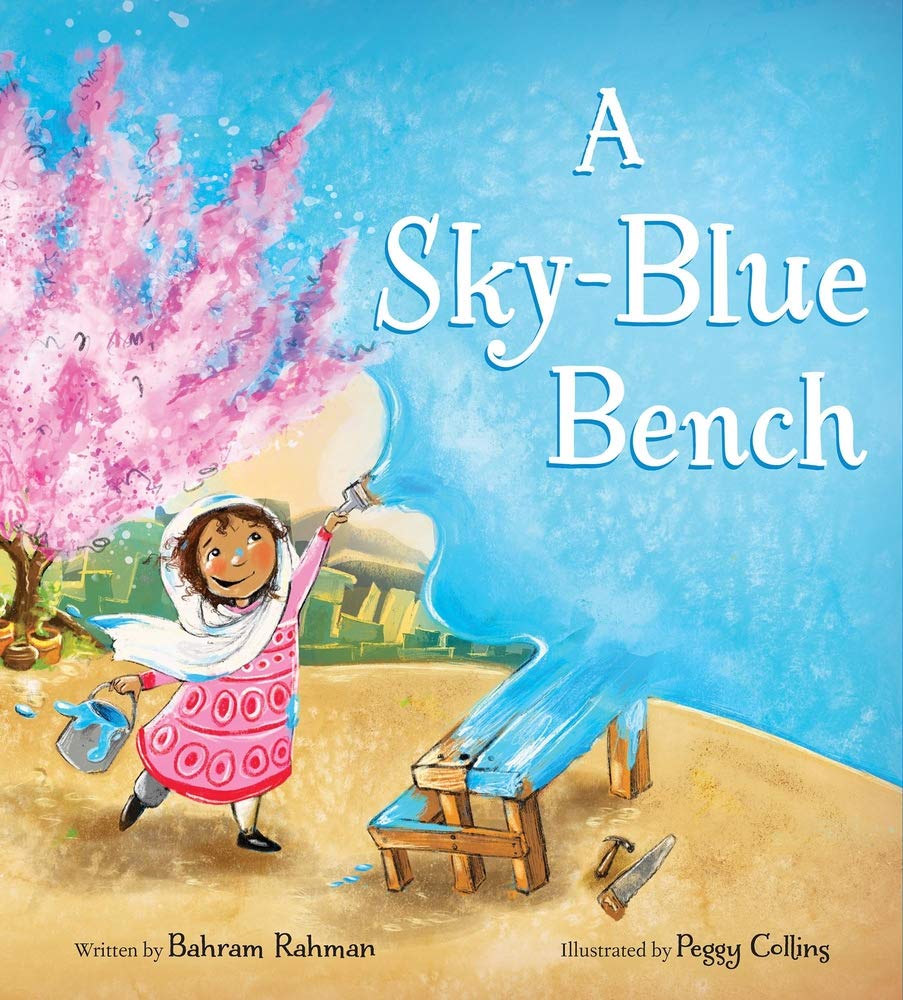
Summary: Young Aria returns to school after recovering from an accident and being fitted with a prosthetic leg, but the school has no furniture and sitting on the floor is too painful. She finds a way to build her own bench, surprising and inspiring her classmates. A sensitive author’s note addresses the author’s experience growing up in Afghanistan during the civil war and the legacy of landmines–Provided by publisher.
Beginning Readers: grades 1-3
 Sotomayor, S., & Findaway World, LLC. (2021). Just ask! : be different, be brave, be you. Findaway World, LLC.
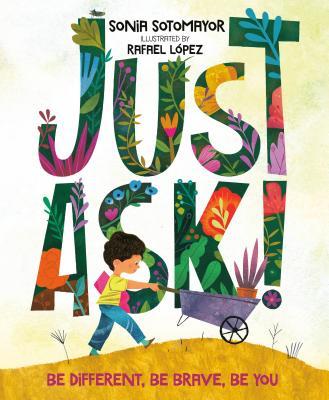
Summary: Sonia and her friends plant a garden, and each one contributes in his or her own special way, in a book that celebrates the many differences among humans. In this warm and inclusive story by U.S. Supreme Justice Sonia Sotomayor, inspired by her own childhood diagnosis of diabetes, readers join along as differently abled kids use their strengths to work together and learn about each other.
Beginning Readers: grades 1-3
 Webb, A., & Webb, G. (2024). Emma’s awesome summer camp adventure. Beaming Books.
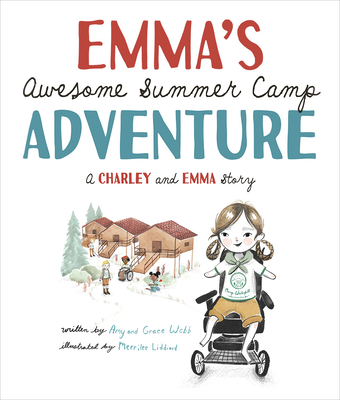
Summary: Emma goes to an accessible summer camp where children cheer along with Emma every step of the way, and learn that a world that’s inclusive and accessible for all is possible.
Beginning Readers: grades 1-3
NONFICTION
 Cocca-Leffler, M., & Heumann, J. E. (2022). Fighting for yes! : the story of disability rights activist Judith Heumann. Abrams Books for Young Readers.

Summary: In the 1970s an important disability rights law, Section 504 of the Rehabilitation Act of 1973, was waiting to be signed. Judy [Heumann] and other disability rights activists fought for YES! They held a sit-in until Section 504 was signed into law. Section 504–established thanks in large part to the ongoing work of Judy and her community–laid the foundation for the Americans with Disabilities Act.”– Front jacket flap.
Beginning Readers: grades 1-3
 Cocca-Leffler, M., & Leffler, J. (2021). We want to go to school! : the fight for disability rights. Albert Whitman & Company.

Summary: “There was a time in the United States when children with disabilities weren’t allowed to go to public school. But in 1971, seven kids and their families wanted to do something about it. They knew that every child had a right to an equal education, so they went to court to fight for that right. The case Mills v. Board of Education of the District of Columbia led to laws ensuring children with disabilities would receive a free public education. Janine Leffler, one of the millions of kids who attended school as a result of these laws, tells the true story of this landmark case”–Provided by publisher.
Beginning Readers: grades 1-3
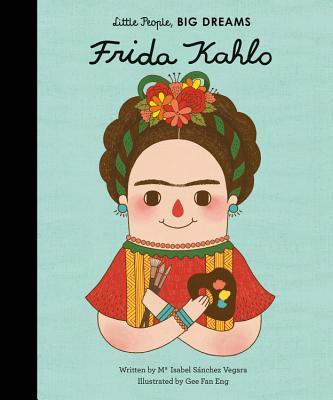
Sánchez Vegara, M. I. (2014). Frida Kahlo (; E. Martinez, Trans.). Frances Lincoln Children’s Books.
Summary: When Frida Kahlo was a teenager, a terrible road accident changed her life forever. Unable to walk, she began painting from her bed. Her self-portraits, which show her pain and grief but also her passion for life and instinct for survival, have made her one of the most famous artists of the twentieth century. This story of her life features a facts and photos section at the back.
Preschool, PK, K, Beginning Readers: grades 1-3
 Scott, J., & Spangler, B. (2021). Unbound : the life + art of Judith Scott (First edition). Alfred A. Knopf.

Summary: “An introduction to the life and art of Judith Scott, a renowned artist. Judith Scott was born with Down syndrome. She was deaf, and never learned to speak. She was also a talented artist. Judith was institutionalized until her sister Joyce reunited with her and enrolled her in an art class. Judith went on to become an artist of renown with her work displayed in museums and galleries around the world. Poignantly told by Joyce Scott in collaboration with Brie Spangler and Melissa Sweet and beautifully illustrated by Caldecott Honor artist, Melissa Sweet, Unbound is inspiring and warm, showing us that we can soar beyond our perceived limitations and accomplish something extraordinary”–Provided by publisher.
Beginning Readers: grades 1-3
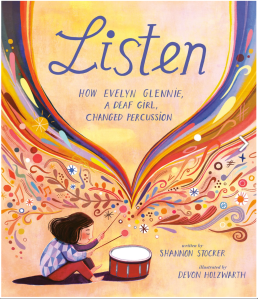 Stocker, S. (2022). Listen: how Evelyn Glennie, a deaf girl, changed percussion. Dial Books for Young Readers, an imprint of Penguin Random House, LLC.

Summary: A nonfiction picture book biography celebrating Evelyn Glennie, a deaf woman, who became the first full-time solo percussionist in the world.– Provided by publisher
Preschool, PK, K, Beginning Readers: grades 1-3
But let’s stay on this topic for a minute…
As a teacher and writer, I am always on the lookout for more stories, more ways of knowing. One quote that I’ve found myself going back to again and again comes from Maya Angelou.
Do the best you can until you know better. Then when you know better, do better.” — Maya Angelou
That describes my process as a teacher, a writer…heck, a human being! I am doing the best I can, but I know I’ve got to keep listening and learning. Here are some additional sources that I am finding helpful right now. If you are interested in learning more, too, here are a couple thought-provoking reads:
- From Book Riot: “The Current State of Disability Representation in Children’s Books” by Margaret Kingsbury (Apr 28, 2021)
- And for those of us who work with young children out there, check out Pamela Brillante’s The Essentials: Supporting Young Children with Disabilities in the Classroom (2017), published by NAEYC.
There are so many great author/illustrator talks out there. Here’s one I love with the inestimable Grace Lin on why children should have books that provide windows into the lives of others as well as mirrors that reflect back their own experiences:
“The Windows and Mirrors of Your Child’s Bookshelf” by Grace Lin
Here are some of trusty places I like to visit when looking for book recommendations and essays on children’s literature. All of them were used in preparing this list.
Bulletin from the Center for Children’s Books from the extraordinary children’s lit experts at the University of Illinois’s iSchool (and where I received my library degree…not that I am biased or anything!)
Other great resources for parents and teachers:
The Cooperative Children’s Book Center (CCBC), part of the University of Wisconsin-Madison (UW) School of Education. The CCBC has created bibliographies and booklists of recommended books on a wide range of themes and topics, for example:
- Lived Disability Experiences: Books for Children and Teens
- 50 Books about Peace and Social Justice
- 50 Multicultural Books Every Child Should Know
- Images of Community: Selected Books for Children and Young Adults
- 50 Bilingual and Spanish/English Integrated Books
- Eco-Reading: Selected Books for Children and Teens about Our Earth and the Environment.
We Need Diverse Books is a non-profit and a grassroots organization of children’s book lovers that advocates essential changes in the publishing industry. Their aim is to help produce and promote literature that reflects and honors the lives of all young people.
Awards to watch for…
As you’d except, those mighty book mavens at The American Library Association (ALA) do us all a great service by highlighting stories each year that deserve our attention. You probably know about the Caldecott and Newbery Awards, but did you know that they also give out…(drum roll, please!) the Schneider Family Book Awards that honor an author or illustrator for a book that embodies an artistic expression of the disability experience for child and adolescent audiences. This year’s picture book winner–which I love so much I had to get my own copy–is A Little Like Magic. Here’s a list of past winners.
The Coretta Scott King Book Awards, established in 1970, are given annually to outstanding African American authors and illustrators of books for children and young adults that demonstrate an appreciation of African American culture and universal human values. The award commemorates the life and work of Dr. Martin Luther King, Jr., and honors his wife, Mrs. Coretta Scott King, for her courage and determination to continue the work for peace and world brotherhood.
The Jane Addams Children’s Book Award is awarded to books that effectively promote the cause of peace, social justice, world community, and the equality of the sexes and all races as well as meeting conventional standards for excellence. Founded in 1953, the award is funded by the Peace Education Project, a part of the Jane Addams Peace Association and names two awards each year, one for Older Readers and one for Younger Readers. Honor books can also be named in each category. Includes a thematic, searchable database of award winning books related to social justice themes.
This award, established in 1966 in honor of Mildred L. Batchelder, a former executive director of the Association for Library Service to Children, is a citation awarded to an American publisher for a children’s book considered to be the most outstanding of those books originally published in a foreign language in a foreign country, and subsequently translated into English and published in the United States—as a way to encourage American publishers to seek out superior children’s books abroad and to promote communication among the peoples of the world.
The Caldecott Medal was named in honor of nineteenth-century English illustrator Randolph Caldecott. It is awarded annually by the Association for Library Service to Children, a division of the American Library Association, to the artist of the most distinguished American picture book for children.
The first children’s book award in the world, the Newbery Medal is awarded annually by the American Library Association for the most distinguished American children’s book published the previous year. You may see a list of Newbery Award and Newbery Honor winners from 1921-present here.
The Pura Belpré Award, established in 1996, is presented annually to a Latino/Latina writer and illustrator whose work best portrays, affirms, and celebrates the Latino cultural experience in an outstanding work of literature for children and youth.
 Rivertown Dispatch